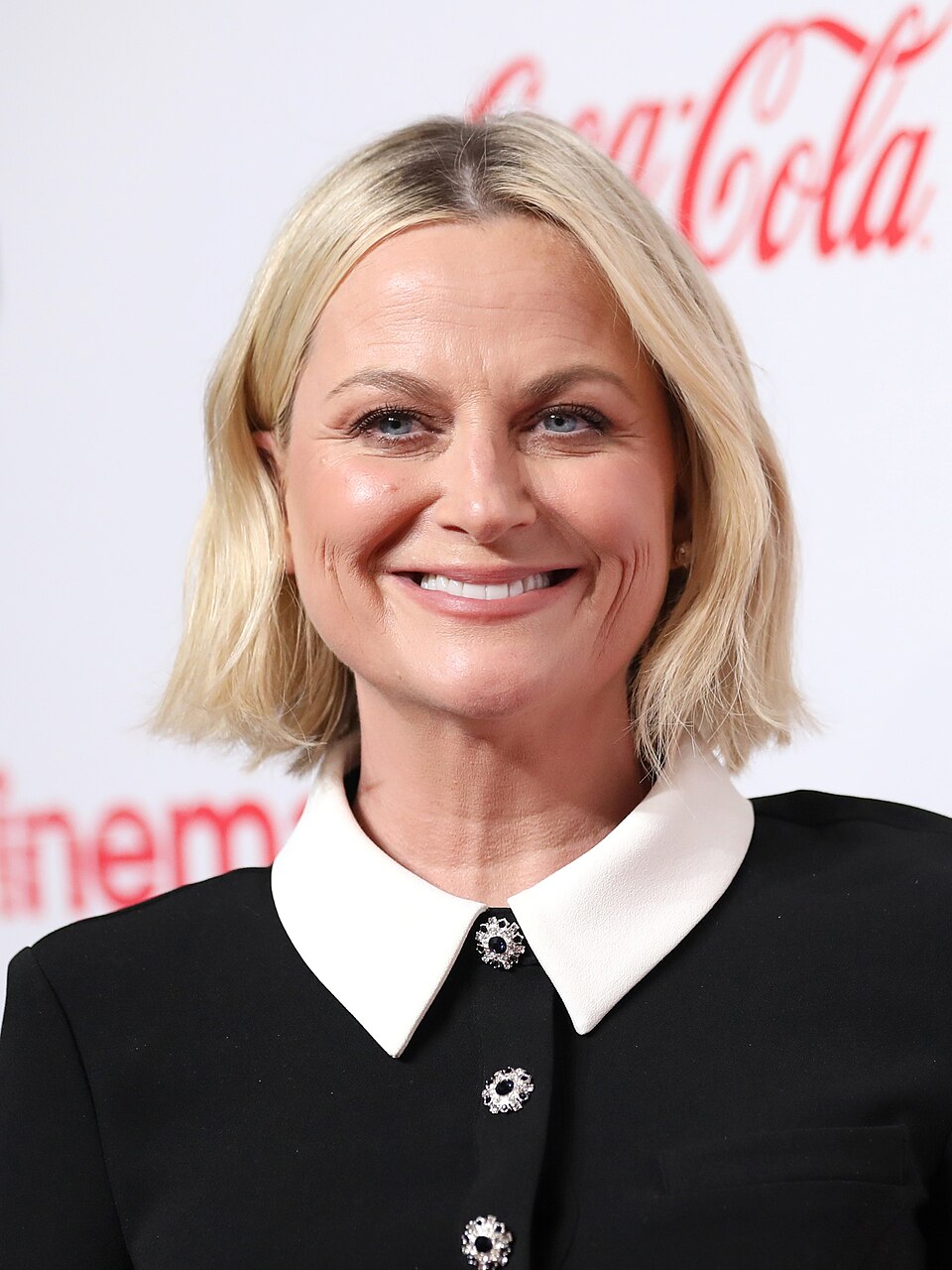
Amy Poehler on Motherhood: No Indulgence, Just Yelling (Mostly)
Amy Poehler, a household name synonymous with laughter and razor-sharp wit, brings the same candid authenticity to discussions about her personal life, particularly motherhood. Known for her iconic roles on *Saturday Night Live* and *Parks and Recreation*, Poehler navigates the complexities of raising her two sons, Archie and Abel, with a refreshing blend of tough love, humor, and undeniable honesty. Forget the perfectly curated Instagram feeds of celebrity parents; Poehler’s approach is refreshingly real: sometimes it involves yelling, often it involves being "the boss," and always, it’s about setting clear boundaries.
The "Boss" Mentality: Setting Clear Boundaries with Archie and Abel
When it comes to her home life, Amy Poehler isn't shy about declaring who's in charge. "Everybody, I'm the boss," she's famously stated, a motto that underpins her entire parenting philosophy. This isn't just a playful quip; it’s a foundational principle for how she raises her sons, now teenagers Archie, 13, and Abel, 11. In an era where many parents strive for a more peer-like relationship with their children, Poehler champions an "old school" approach that prioritizes parental authority and clear expectations.
Poehler admits she's "not very indulgent," a stark contrast to what she perceives as a trend where "children are given a lot of leeway and a lot of license to feel a lot of feelings and say what they want." In her household, such boundless freedom isn't the norm. This isn't to say her children are repressed, but rather that there's a structure where parents guide and direct, fostering an environment of respect and understanding of roles. This can be a powerful lesson for children, teaching them about hierarchy, boundaries, and the importance of listening to those with more experience. While details about *Amy Poehler's parents*, William Grinstead and Eileen Frances Poehler, aren't extensively publicized, it’s not a stretch to imagine that some of her own "old school" values might echo lessons learned in her childhood home, influencing her straightforward approach to parenting. Her commitment to this philosophy underscores a belief that clear boundaries are crucial for a child's development, helping them feel secure and understand the world around them.
Manners, Respect, and the Occasional Parental Outburst
Beyond just being "the boss," Poehler places immense value on fundamental etiquette. She has openly shared that she is "big on manners and please and thank you." These aren't just polite suggestions in her home; they are non-negotiable standards. Teaching children proper manners from a young age instills a sense of respect not only for others but also for themselves, laying a groundwork for positive social interactions throughout their lives. It's a testament to her belief in raising well-adjusted, considerate individuals rather than overly coddled ones. If you're curious about the specifics of her strict approach, you can dive deeper into
Amy Poehler's Strict Parenting: Inside Her "Boss" Rules.
And then there's the yelling. Poehler, with characteristic candor, has admitted that "sometimes you just need to straight up yell at them and put them in their room." This isn't a strategy for every situation, nor is it likely her go-to, but it speaks to the universal frustration parents experience. In moments of heightened emotion or when boundaries are severely tested, a firm, loud directive can sometimes cut through the noise and get a child's attention. While consistent yelling is detrimental, the occasional, controlled outburst can be a relatable (and sometimes necessary) tool for parents who are pushed to their limits. It highlights the real, unfiltered challenges of parenting, reminding us that even celebrity moms face moments where patience wears thin.
Navigating Pre-Teen Town with Reverse Psychology
As Archie and Abel have grown into their pre-teen years, Poehler's parenting toolkit has evolved. She’s learned that with older kids, direct commands and enthusiastic endorsements often fall flat. Her current strategy? Reverse psychology. "You can't come in front of anything and say something is funny or good. That's not going to happen. You're going to be immediately rejected," she explains. Instead, she employs a "light touch," presenting things as almost undesirable to pique their curiosity.
For instance, to get her boys to watch a classic comedy like *Airplane*, she might say, "Huh, what's this stupid thing?" The goal is to make them think they're discovering it for themselves, thus increasing its appeal. This clever tactic extends to her own work as well. When discussing *SNL*, her sons, unimpressed by their comedic icon mother, cited Colin Jost and Michael Che as their favorites. Poehler’s self-deprecating humor about her kids' lack of enthusiasm for her own performances is incredibly relatable to any parent whose children aren't automatically impressed by their accomplishments. For a deeper dive into her clever methods, explore
How Amy Poehler Uses Reverse Psychology With Her Sons. This shift in strategy demonstrates Poehler’s adaptability as a parent, understanding that what works for an 8-year-old may not work for a 13-year-old.
The Bittersweet Reality of Growing Up: Holding Them Close
Beneath the tough exterior and the "boss" persona, Amy Poehler also reveals a deeply emotional and relatable side of motherhood – the bittersweet challenge of watching your children grow up and become independent. Reflecting on her character in *The House*, a film where she and Will Ferrell play parents desperate to keep their daughter close, Poehler shared her own feelings. "There’s this thing when you’re a young parent and you feel like you’ve got a lot of living left to do and suddenly your kid is going away and you’re like, 'Hmm, what should the second half of my life be like?'"
She related to "that feeling of wanting your kid always by your side and squishing them in a sandwich." Playfully, she added, "I think I’d be very similar – just trying to chain them up and hold them down and make sure they don’t leave." This sentiment captures a universal parental paradox: the desire to raise independent, capable adults, coupled with the primal urge to keep them safe and close forever. It's a beautiful acknowledgment of the emotional journey of parenthood, proving that even a "tough mom" like Amy Poehler grapples with the profound changes that come with raising children who are destined to fly from the nest. This understanding adds depth to her character, revealing a tender heart beneath the firm exterior, driven by an immense love for her boys.
Conclusion
Amy Poehler's approach to motherhood is a compelling blend of firm boundaries, unwavering expectations, and a healthy dose of humor. She embodies the "tough mom" who isn't afraid to be the boss, prioritize manners, and even resort to a well-placed yell when necessary. Yet, she also showcases a remarkable adaptability, employing reverse psychology with her pre-teens and openly sharing the tender anxieties of watching her children grow up. Her candidness offers a refreshing counter-narrative to the often-idealized portrayal of celebrity parenting, reminding us that authenticity, boundaries, and a deep, abiding love are at the heart of raising capable, respectful individuals. Poehler's journey as a mother is a testament to the fact that parenting is messy, challenging, and profoundly rewarding, often requiring a unique and tailored approach for each stage of a child's life.