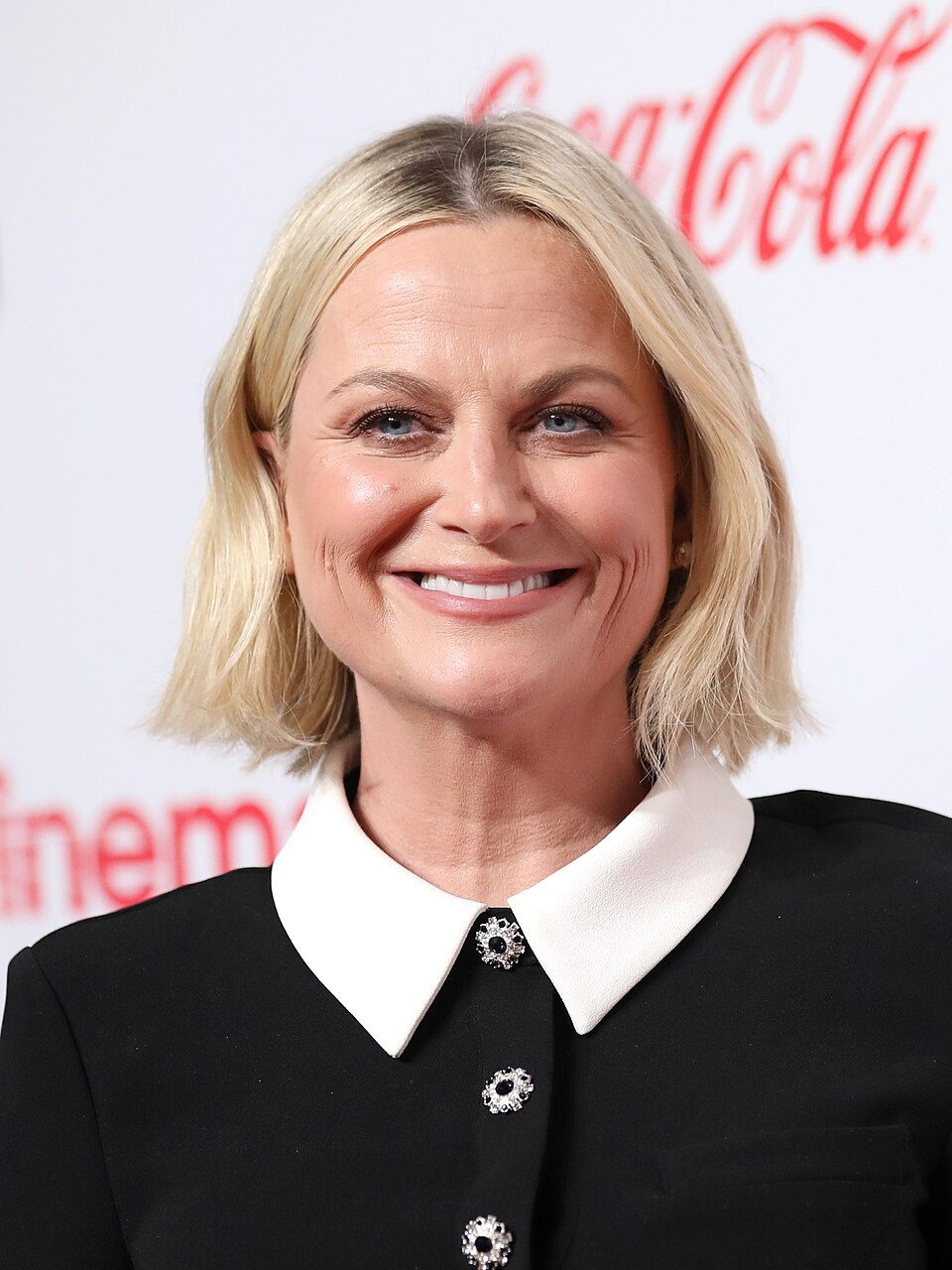
Amy Poehler's Strict Parenting: Inside Her "Boss" Rules
Amy Poehler, known for her quick wit, infectious laughter, and iconic roles in shows like Parks and Recreation and Saturday Night Live, brings a different kind of intensity to her most important role: motherhood. While she effortlessly navigates the comedy world, at home, she's less about improv and more about structure. Poehler openly admits to a "tough mom" philosophy, earning her the title of "boss of the house" when it comes to raising her two sons, Archie and Abel. Far from being indulgent, her approach is rooted in an "old school" sensibility, likely influenced by her own upbringing under the guidance of her Amy Poehler parents, William Grinstead and Eileen Frances Poehler, who instilled strong values.
Her no-nonsense style challenges the modern trend of constant parental affirmation, instead prioritizing respect, boundaries, and a healthy dose of reality. Let's delve into the rules, the rationale, and the evolving strategies of Amy Poehler's distinctive parenting journey.
The "Boss" Mentality: Setting the Tone Early
From early on, Amy Poehler made it clear that her household operates with a specific chain of command. "I'm not very indulgent," she's stated, a refreshing admission in an era where many parents struggle with saying "no." For Poehler, it's not about being mean, but about establishing a clear understanding of roles and expectations. Her personal parenting motto? "Everybody, I'm the boss."
This "boss" mentality isn't just about exerting authority; it's about providing a consistent, predictable environment where children understand the parameters. In a world that often gives children "a lot of leeway and a lot of license to feel a lot of feelings and say what they want," Poehler’s home offers a different structure. This approach aims to cultivate resilience and a realistic understanding of boundaries, skills that are invaluable as children grow. Instead of endless negotiation, her sons learn early on that certain rules are non-negotiable.
A cornerstone of her "old school" method is a strong emphasis on manners. "I'm big on manners and please and thank you," she shared, highlighting the importance of basic courtesy and respect in daily interactions. Instilling these fundamental social graces from a young age helps children develop empathy, acknowledge others, and navigate social situations with confidence. It teaches them that their actions and words have an impact and that acknowledging others is a crucial part of community living. This foundational training builds a strong character, preparing them for interactions beyond the family unit.
Discipline and Boundaries: More Than Just "Please and Thank You"
While manners form the polite exterior of her parenting philosophy, a firm hand underpins the structure. Poehler isn't shy about admitting that sometimes, direct action is required. She once confessed that "sometimes you just need to straight up yell at them and put them in their room." This candid insight resonates with many parents who find themselves in moments of frustration, despite the prevailing advice to always maintain a calm demeanor.
For Poehler, these disciplinary actions aren't about anger for anger's sake, but about reinforcing boundaries and the consequences of overstepping them. While many parenting experts advocate for positive reinforcement and gentle discipline, Poehler's admission highlights that real-world parenting often involves a spectrum of approaches. The goal is to ensure children understand the seriousness of certain actions and the importance of adhering to household rules. It’s about creating a safe space where children learn self-regulation and respect for authority.
Her reflections on the film The House, where she and Will Ferrell play parents resorting to opening a casino to fund their daughter's college, offered a glimpse into the evolving emotions of parenthood. Poehler related to the desire to keep your kids close, joking about wanting to "chain them up and hold them down and make sure they don’t leave" as they grow older. This playful sentiment underscores a universal parental fear: the inevitable independence of children. It shows that even strict parents harbor deep affection and a desire to protect, balancing firmness with an underlying love that guides their every decision. For more insights into her direct approach to discipline, you can explore Amy Poehler on Motherhood: No Indulgence, Just Yelling.
Navigating Pre-Teen Territory: Strategic Parenting with Archie and Abel
As her sons Archie, now 13, and Abel, 11, transition into their pre-teen years, Poehler's parenting style has adapted to meet new challenges. The "boss" still reigns, but the tactics have become more nuanced, requiring strategic thinking, especially when it comes to cultural consumption. Parenting pre-teens means confronting a burgeoning sense of independence, a natural desire to differentiate themselves, and a tendency to resist overt parental influence.
Poehler has learned that with this age group, "you have to do a lot of reverse psychology." Directly telling a pre-teen that something is "funny" or "good" is often met with immediate rejection. Instead, she employs a "light touch," presenting classic comedies like Airplane by saying, "Huh, what's this stupid thing?" This subtle manipulation often sparks their curiosity, leading them to discover the humor on their own terms. It’s a clever way to introduce new experiences without triggering the natural pre-teen defiance. This method acknowledges their need for autonomy while subtly guiding their tastes.
Another testament to her adaptable parenting is her acceptance of her sons' individual preferences. Despite her own illustrious career in comedy, her sons aren't always "chomping at the bit" to watch her work. When asked about their favorite SNL cast members, they chose Colin Jost and Michael Che over their mother! While initially joking, "Not your mother?!", Poehler's recounting of this anecdote demonstrates her ability to embrace their independent thoughts and tastes, even when it means not being their top pick. This balance of firm boundaries with respect for their burgeoning individuality is crucial for fostering self-confident children. To delve deeper into her clever techniques, read about How Amy Poehler Uses Reverse Psychology With Her Sons.
What Can We Learn from Amy Poehler's Parenting Style?
Amy Poehler's parenting journey offers valuable insights for parents navigating the complexities of raising children in today's world. Her "tough mom" stance, while seemingly strict, is deeply rooted in a desire to raise well-adjusted, respectful, and resilient individuals. Here are some key takeaways:
- Embrace Your Authority: Children thrive with clear boundaries and knowing who is in charge. Establishing yourself as the "boss" can reduce anxiety and provide a sense of security.
- Prioritize Manners and Respect: Basic courtesies like "please" and "thank you" are fundamental building blocks for social intelligence and empathy. Consistent reinforcement of these values helps children develop into considerate adults.
- Don't Be Afraid of Discipline: While the method might be debated, the principle of consequences for actions is essential. Whether it's a firm word, a time-out, or an honest conversation, consistent discipline teaches accountability.
- Adapt Your Strategies: What works for an 8-year-old won't necessarily work for a 13-year-old. Learning to pivot from direct instruction to more subtle guidance, like reverse psychology, is a hallmark of effective parenting for older children.
- Foster Independence (Even if it Hurts): Allowing children to develop their own tastes, opinions, and even favorite comedians different from your own, is crucial for their individual identity formation. It shows respect for who they are becoming.
Poehler's "old school" philosophy likely draws inspiration from her own foundational experiences. While there isn't extensive public detail about her own upbringing, the values she champions – respect, discipline, and a strong sense of self – often reflect lessons learned from one's own parents. William Grinstead and Eileen Frances Poehler, Amy's mother and father, would undoubtedly be proud of the thoughtful, if unconventional, approach she takes to guiding her sons.
Conclusion
Amy Poehler's parenting style is a refreshing blend of firmness, love, and adaptability. She embodies the philosophy that being a parent isn't always about being a friend, but about being a leader who prepares children for the world. From asserting her "boss" status with young boys to deftly employing reverse psychology with her pre-teens, her methods are designed to foster respect, resilience, and independent thought. While perhaps not always conventional, her approach aims to equip Archie and Abel with the character and confidence needed to navigate their lives, all under the watchful, yet loving, eye of their very tough, very funny, and very much-in-charge mom.